Solutions
Blog posts that actually rank
Ranking on Google in 2026 isn't about keywords anymore. It's about whether readers stay on your page. Google measures dwell time, scroll depth, and pogo-sticking. AI search engines measure whether your content is worth citing. Both reward the same thing: articles with real substance. Heywrite writes articles that rank because readers stay.
Try for free
The bounce rate death spiral
A post that ranks on page one but gets abandoned in seconds is on borrowed time. Google reads pogo-sticking as a direct signal that the content didn't match the search intent. Rankings drop. Traffic drops. The post that replaced yours gets the traffic you built.

Why blog posts stop ranking
Thin content gets outranked by substance
Google’s algorithm rewards topical depth. A 1,200-word article that thoroughly answers a specific question outranks a 2,500-word article that circles the same point without saying anything new. Length isn’t the signal. Substance is.
AI search is a new ranking game
Google AI Overviews, ChatGPT, and Perplexity are now serving answers pulled from blog content. If your articles aren’t structured for AI extraction (direct answers, clean headers, verifiable claims), you’re losing a growing share of search visibility.
How Heywrite helps your content rank
Brand-first articles
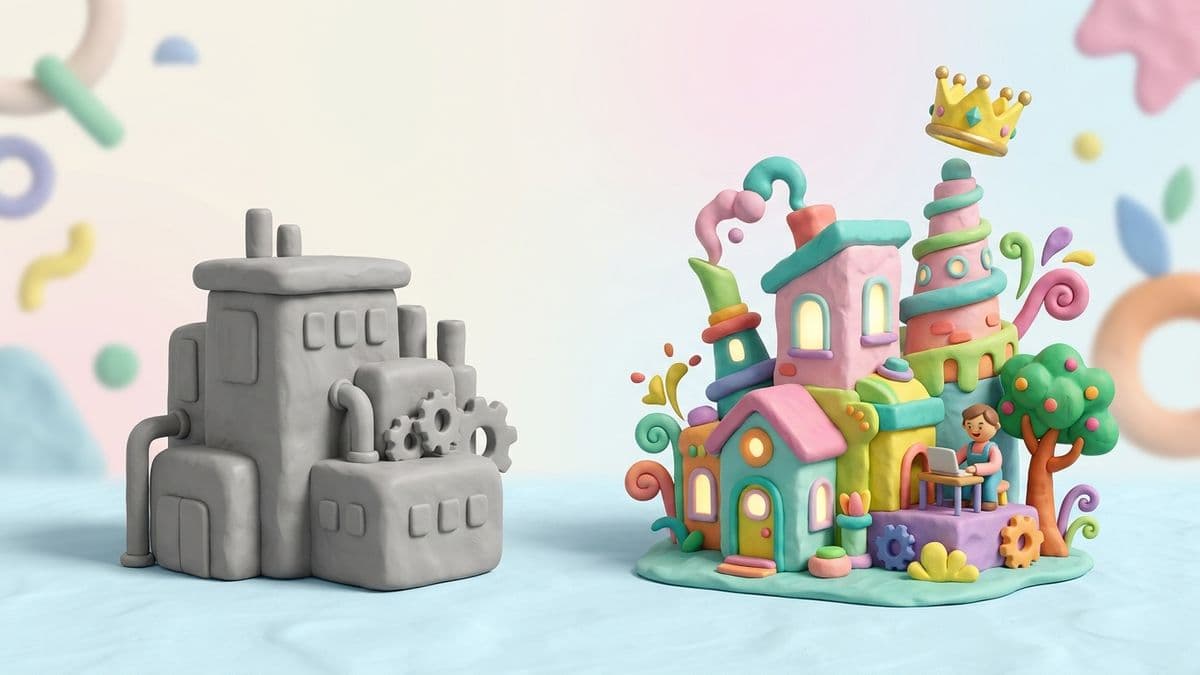
Every article starts with your URL. The app learns your brand, your audience, and your customers’ problems. The content that comes back is specific to your business, not interchangeable filler that could belong to any company.
📚Real sources, not recycled results
Articles draw from forums, discussions, and industry publications. Not a rewrite of the top 3 Google results. Readers get new information. That’s what keeps them on the page.
🔗Internal linking that compounds
Each article links to other relevant pages on your site. Over time, this builds a content structure that Google recognizes as topical authority. Individual pages rank higher because the domain behind them has depth.

🏗️Structured for AI extraction
Articles use question-based headers, direct answers in the first 50 words of each section, and scannable formatting. This is the structure AI search engines cite from.
The difference over time
One article won't transform your rankings. But consistent publishing with brand-aligned, source-backed content compounds. Each article strengthens the domain. Internal links distribute authority. Google starts treating your site as a source for your topic.
This is how smaller sites overtake larger competitors in specific niches.
How it works
- 1
Paste your URL
The app learns your brand and audience.
- 2
Pick topics
Matched to your business and customers.
- 3
Review your article
Ready in under 5 minutes.
- 4
Revise if needed
2 free rounds included.
Ready to rank?
Your first article takes under 5 minutes. Every plan starts with a free trial and 2 free articles.
Start for free